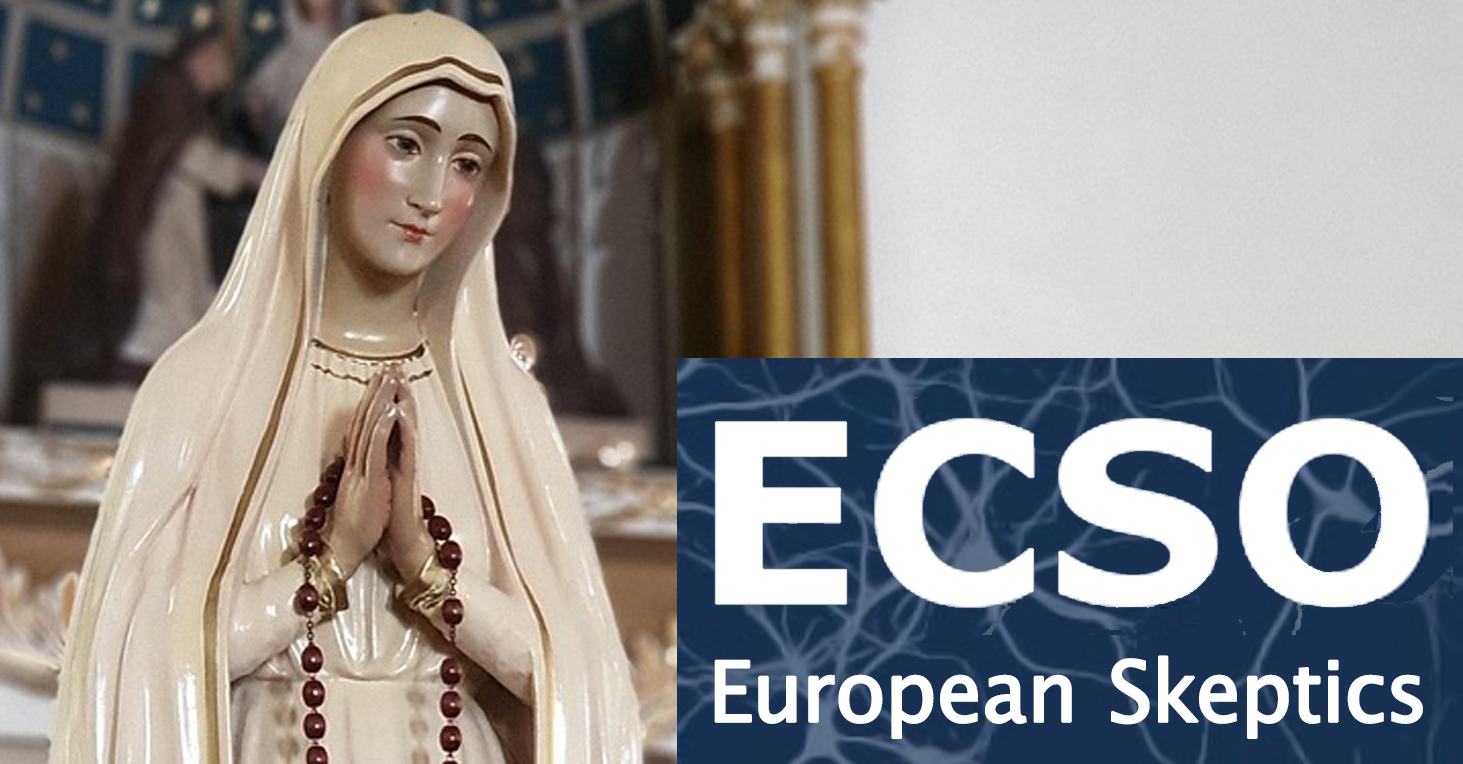
In Italy, Gisella Cardia, known as the “visionary of Trevignano”, is being charged with fraud. Her husband, Gianni Cardia, has been charged with accessory to fraud.
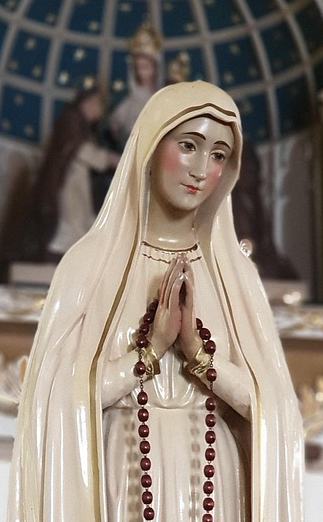
The two are accused to have staged apparitions of the Virgin Mary. Gisella Cardia allegedly predicted future catastrophes and disasters such as earthquakes, to encourage believers to donate money to the veneration of the Madonna of Trevignano.
The statue of the Madonna in question, located on the shores of Lake Bracciano about fifty kilometres from Rome, has been in the news for years as it supposedly cried blood. Cardia claimed to have received messages from both God and Satan.
Hundreds of believers flocked every month to witness the “miracle,” although the Catholic Church distanced itself from the event. The couple offered pilgrims pizza and gnocchi, which were said to have miraculously multiplied!
A judicial investigation earlier this year revealed that the DNA of the blood on the statue matched that of the visionary herself, Gisella Cardia. Her lawyer argued at the time that the accused’s blood could have been mixed with that of the statue and further that no one can know the composition of the DNA of the Virgin Mary.
The court is particularly concerned that Cardia and her husband collected a total of 365,000 euros in donations. The couple has claimed this money would go to a children’s hospital, but it seems it was instead spent on renovating the shrine and purchasing an expensive car. The trial will begin in April 2026 in the town of Civitavecchia.
On June 2, the Danish parliament (“Folketinget”) repealed the 334 year old blasphemy law.
The debates about repeal where among other things shadowed by the Muhammad cartoons controversy in 2005, and also came to the rescue for one individual who in December 2015 published a video on-line showing the burning of a copy of the Quran. These charges were now dropped due to the change in legislation.
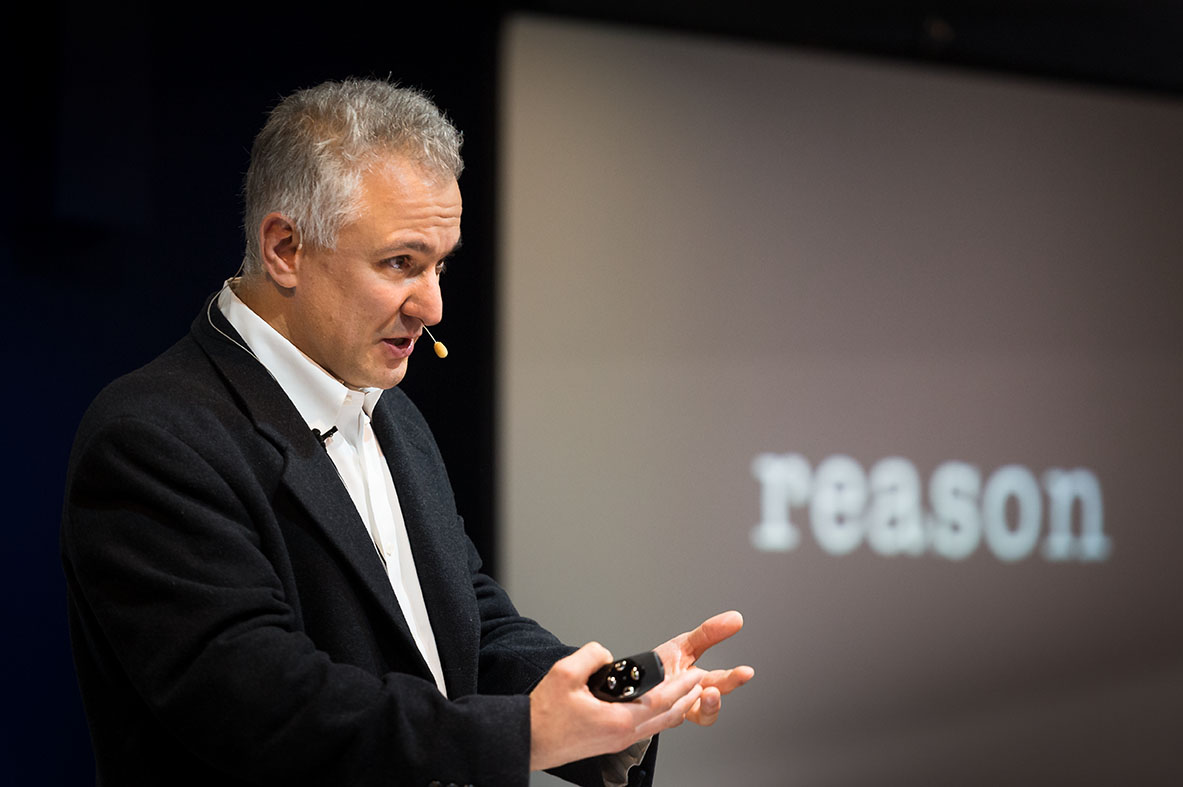
On the 4th of May at the University of Granada, the biochemist Juan Antonio Mochón, will be giving the talk “Science facing up to religious beliefs” as part of the monthly series of talks Knowledge, rationality and secularism that is running till June of this year.
The talk will be followed by a discussion among the attendees.
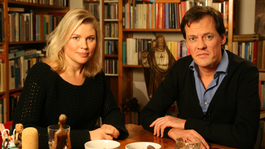
Author Franca Treur (atheist) and presenter Tijs van den Brink (Protestant) discuss religion in TV series “Adieu God?” (2013)
For the first time in Dutch history, the official number of religious and irreligious people is equal, Statistics Netherlands (CBS) reports. The percentage of religiously affiliated citizens above age 18 dropped from 55% in 2010 to 50% last year, a turning point in the ongoing process of secularisation. The current figures are:
Roman Catholicism: 24%
Protestantism (various denominations): 15%
Islam: 5%
Other (incl. Judaism, Hinduism and Buddhism): 5%
Unaffiliated: 50%
There are large geographical differences, with the more urbanised West (North and South Holland) being the most secular, the southern provinces of North Brabant and Limburg being the most (nominally) Catholic.
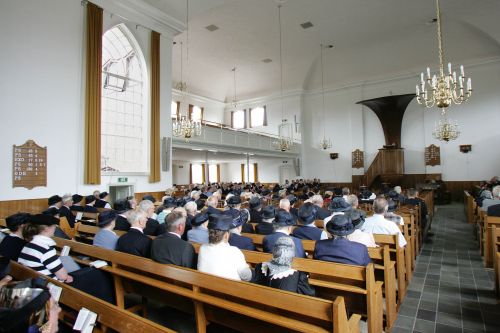
Church service in Doornspijk, the Bible Belt. (Rubenf CC-BY-SA 3.0)
Only 1 in 6 people still regularly attend religious services though. In the conservative Protestant Bible Belt, running across the country from the southwest to the northeast, this figure is higher, sometimes over half, and in the case of Urk 94%.
The actual percentage of believers is much lower than 50%, however. A lot of people still registered as members of a church are actually not religious (anymore), but for various reasons have not officially renounced their membership (yet) – a phenomenon known as ‘belonging without believing’. An earlier 2016 survey by Bernts & Berghuijs showed that people’s actual religious convictions were as follows:
Roman Catholicism: 11.7%
Protestant Church in the Netherlands: 8.6%
Other Christian denominations: 4.2%
Islam: 5.8%
Hinduism and Buddhism: 2.0%
Unaffiliated: 67.8%
This shows a big disconnect between membership and actual adherence. Especially the Catholic Church often claims that a quarter of the Dutch population is Catholic, pointing to the official stats, but when questioned, fewer than half that number associate themselves with the Roman faith.
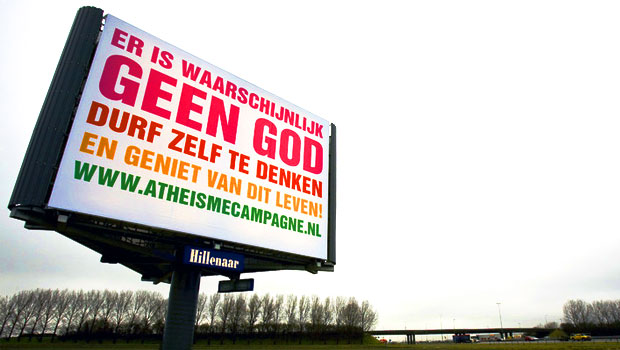
2009 Dutch atheist billboard: ‘There’s probably no god. Dare to think for yourself and enjoy this life!’
According to Bernts & Berghuijs, their attitudes regarding the existence of (a) god(s) were:
Atheism: 24% (I don’t believe in gods)
Agnosticism: 34% (I don’t know if there are gods or not)
Ietsism: 28% (I don’t believe in gods, but there must be something higher/supernatural/more than we can observe)
Theism: 14% (I believe there is a God / are gods)
A December 2014 survey showed a similar reversal in public opinion, when for the first time in the Netherlands’ history, more than half of people (63%) thought that religion does more harm than good.
 In Italy, Gisella Cardia, known as the “visionary of Trevignano”, is being charged with fraud. Her husband, Gianni Cardia, has been charged with accessory to fraud.